
As the 2026 travel season gets closer, make sure your RV is covered against unexpected risks. Getting ready for your trip needs more than just a map and gas.
Sean started as a Financial Representative with Raymond James Financial and Allstate Insurance in St. Petersburg, Florida. He has years of expert financial planning to help you on your journey.
This article dives into the world of RV Insurance. We’ll show you how to spot coverage gaps to keep your travels worry-free and safe.
Knowing your policy is key to protecting your investment. The right RV Insurance gives you peace of mind as you explore the country.
Key Takeaways
- Identify critical coverage gaps before your 2026 road trip begins.
- Leverage professional financial expertise to optimize your protection plans.
- Learn how to avoid common pitfalls when selecting travel policies.
- Ensure your vehicle remains secure against unexpected mechanical or liability risks.
- Gain confidence in your travel preparations through informed decision-making.
Understanding RV Insurance Basics
Protecting your mobile home on wheels starts with knowing the basics of insurance. Many think their auto policy covers everything, but this is often wrong. It’s crucial to understand your policy well to avoid missing out on protection.
What is RV Insurance?
RV Insurance is a special product for motorhomes, travel trailers, and campers. It’s different from a standard car policy because your vehicle is both a car and a home on wheels. This coverage offers the extra protection you need.
Key Coverage Types
When looking at recreational vehicle coverage, you’ll see several key parts. Liability coverage is the most important, as it protects you if you hurt someone or damage their property. Comprehensive and collision coverages protect your vehicle from accidents, theft, or natural disasters.
There are also special add-ons like vacation liability or total loss replacement. These options help keep your investment safe, even when parked. Picking the right mix of these is key for your peace of mind.
Why You Need It
You might ask if recreational vehicle coverage is really needed for every trip. The truth is, the road can be full of surprises, like mechanical issues or bad weather. Without the right RV Insurance, a single problem could cost you a lot of money.
Also, many places require insurance before you can use or park your vehicle. Getting a good policy is not just about following the law; it’s about safeguarding your lifestyle. By getting the right policy, you can focus on enjoying your trips without worrying about unexpected costs.
The Growing Popularity of RV Travel
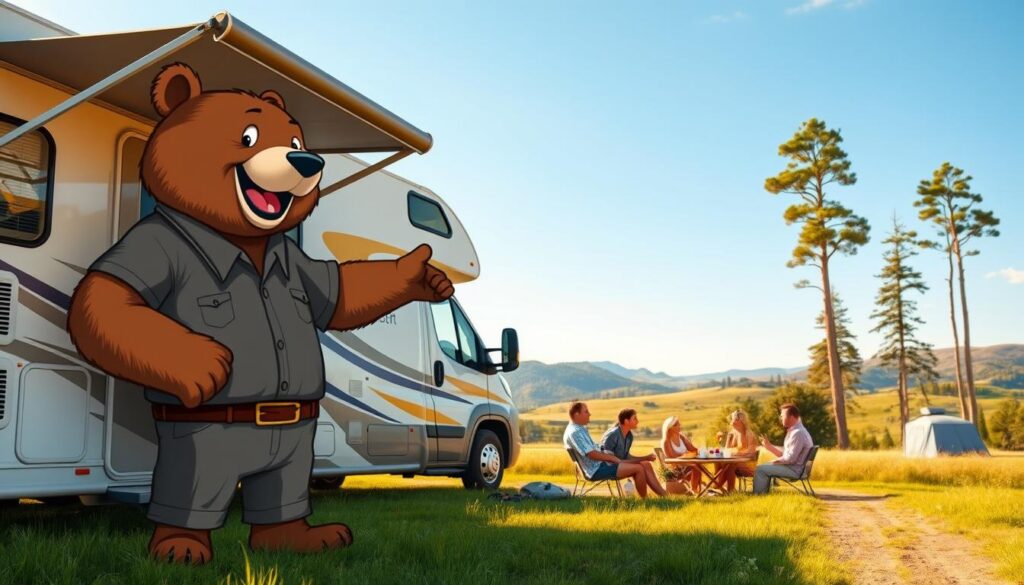
If you’re thinking about hitting the road, you’re not alone. The modern motorhome has become more than just a weekend car. It’s now a home for many Americans. This change means you need to think differently about protecting your belongings while traveling.
Trends in RV Ownership
Younger people are choosing experiences over owning homes. They see their vehicle as a flexible home base for freedom. But, your auto policy might not cover the risks of long-term travel.
The Impact of Remote Work
Digital connections have changed how we work and travel. You can work from anywhere, like a national park. This flexibility means you’re on the road longer, making travel insurance more important than ever.
Increased Demand for RV Rentals
The rental market is growing, letting people try RVs before buying. Whether it’s a luxury motorhome or a small camper, you need to know the rental agency’s coverage. Basic protection might not be enough to avoid big costs if something goes wrong.
Planning ahead is key to stress-free travel. By understanding your needs, you can find the right travel insurance. Staying up-to-date with travel trends helps you make better choices for your trips.
Common Insurance Gaps for RV Owners
Driving your motorhome is thrilling, but insurance might not cover everything. Many think a standard auto policy is enough for long trips. But, this can leave you with big financial losses if something goes wrong.
Uncovered Risks
Standard policies are for daily drivers, not for RVs. Your recreational vehicle coverage might not cover personal items, awnings, or special equipment. This can leave you without protection for important parts of your RV.
- Personal property stored inside the vehicle.
- Damage to attached accessories like satellite dishes or solar panels.
- Liability coverage for guests visiting your campsite.
Liability and Total Loss Issues
Another big gap is how insurers value your motorhome after a big accident. If you only have actual cash value coverage, you might get less than what you need to replace it.
| Coverage Type | Payout Basis | Best For |
|---|---|---|
| Actual Cash Value | Market value minus depreciation | Older vehicles |
| Agreed Value | Pre-determined amount | Newer investments |
| Replacement Cost | Cost of a new model | Total loss protection |
Natural Disaster Coverage
Many policies don’t cover natural disasters that can hit travelers. Make sure your recreational vehicle coverage includes protection against wildfires, floods, or windstorms.
Without these endorsements, you could face huge repair bills yourself. Taking immediate action to check your policy is key. Always talk to a pro to avoid these common issues before your next trip.
Personalized Coverage for Your RV
Every traveler has unique needs. Managing your financial protection should match your lifestyle. View your RV Insurance as a custom plan, not just a product.
Tailoring Policies to Fit Your Needs
Your travel habits affect the risks you face. Full-time RVers have different needs than weekend travelers. Customizing your policy ensures you only pay for what you need.
Consider how often and where you travel. A tailored RV Insurance plan helps avoid common pitfalls of generic policies.
Understanding Policy Limits
Choosing the right policy limits is key to protecting your assets. Make sure your coverage matches your vehicle’s value and your belongings.
Low limits can lead to big expenses in an emergency. But, proper limits give you peace of mind. You know your RV Insurance will cover losses without financial strain.
Adding Optional Coverages
High-end vehicles need extra security. Optional coverages can protect special equipment, electronics, and personal items not covered by basic policies.
Think about these valuable additions to your RV Insurance:
- Total Loss Replacement: Allows you to replace your RV with a new one.
- Vacation Liability: Offers extra protection when your RV is parked.
- Emergency Expense Coverage: Covers lodging and transportation if your RV breaks down.
Investing in these options lets you travel with confidence. Personalizing your plan is the best way to protect your investment for the future.
The Importance of Comprehensive Protection
Understanding the value of comprehensive protection is key to a safe journey. Basic liability insurance meets legal needs but doesn’t protect against big financial losses. A strong recreational vehicle coverage keeps your assets safe from unexpected events far from home.
What Comprehensive Insurance Covers
Comprehensive insurance does more than just cover accidents. It shields you from non-collision events that can ruin your budget. It includes protection against theft, vandalism, fire, and natural disasters like hail or windstorms.
If your vehicle gets damaged at a campsite or in storage, these policies help with repairs. You’ll have peace of mind knowing your investment is safe from unexpected dangers.
Benefits of Comprehensive Policies
Choosing a comprehensive plan offers financial security in tough times. Unlike basic plans, these policies often cover the full cost of your vehicle if it’s stolen or totaled. This is crucial for owners who don’t want to pay for big repairs themselves.
These policies also come with extra benefits like emergency roadside help and vacation liability. These features help prevent a single issue from ruining your 2026 travel plans.
How to Assess Your Coverage
To see if your current plan is enough, compare your policy limits to your vehicle’s current value. If your vehicle has increased in value or you’ve added expensive upgrades, your limits might be too low. Also, think about the risks at your planned destinations for 2026.
| Feature | Basic Liability | Comprehensive Plan |
|---|---|---|
| Collision Damage | Limited | Full Coverage |
| Theft & Vandalism | Not Included | Included |
| Natural Disasters | Not Included | Included |
| Replacement Cost | No | Yes |
Reviewing your recreational vehicle coverage every year is wise. By comparing your needs to your current policy, you can spot gaps before they cost a lot. This proactive step keeps you safe on your travels.
State-Specific Challenges
Did you know your insurance needs change when you cross a state line? Your policy might not be universal. Each state has its own rules, leaving you at risk if you’re not ready.
Varying State Regulations
Insurance laws vary across the U.S. Some states have higher minimum liability limits than others. Others have special rules for uninsured motorist protection. If your policy only meets your home state’s minimum, you could be underinsured in other states.
This difference is a big risk for long-term travelers. You need to make sure your insurance covers you in every state you visit. If not, you could face fines or personal financial loss after an accident.
The Importance of Local Knowledge
Knowing local laws is key to your travel prep. Research the insurance rules for every state on your list before you go. This way, you can avoid legal trouble that catches many off guard.
Talking to experts who know the regional differences can give you a clear advantage. They can spot gaps in your policy that you might miss. General knowledge isn’t enough when dealing with the country’s diverse laws.
Adapting Your Coverage by Location
To stay protected, adjust your recreational vehicle coverage as your plans change. If you’ll be in a state with high liability, up your limits. This simple step keeps you compliant and safe on your trip.
Always have your policy details ready, whether digitally or in print. If you’re stopped or in an accident, having proof of coverage is essential for a smooth outcome. By staying informed and flexible, you can enjoy your journey without worrying about legal issues.
How to Save on RV Insurance
You can get great coverage for your RV without spending too much. Saving on RV Insurance doesn’t mean you have to cut corners. By making smart choices, you can stay safe while saving money on your travels.
Tips for Finding Discounts
Many providers offer discounts if you ask the right questions. You might get a claims-free discount if you’ve had no accidents. Also, paying your premium all at once can save you a lot of money.
Joining an RV club or association can also help. Many insurance companies give special rates to members. They often get group discounts that can lower your RV Insurance costs a lot. Don’t forget to ask about loyalty rewards if you’ve been with the same carrier for a long time.
Bundling Insurance Policies
Combining your RV Insurance with other policies can save you money. By bundling your RV Insurance with your auto or homeowners policy, you can get discounts. This makes your life easier and can lower your rates.
Most big insurance companies in the U.S. like this idea. They want to build a strong relationship with you. Talk to your current agent to see if they have a package deal for you. This can save you money right away without changing your coverage.
Safety Features That Lower Premiums
Insurance companies give discounts for safety upgrades. Installing things like alarms, GPS, and tire pressure monitors can lower your RV Insurance costs. These features help prevent theft and accidents.
Adding these upgrades shows you care about safety. Make sure to tell your insurance company about any new safety features. Proactive maintenance and security upgrades are key to keeping your premiums low.
The Role of an Insurance Professional
Getting insurance for your motorhome is more than just a simple policy. These vehicles are both homes and cars, with unique risks. Standard providers often don’t understand these risks well.
Why You Should Consult an Expert
The insurance world for motorhomes is full of fine print and exclusions. An expert can help you understand these to avoid surprises in emergencies.
With a professional, you can spot coverage gaps before you need to make a claim. True peace of mind comes from knowing your assets are safe with a policy made just for you.
How a Financial Representative Can Help
A good representative does more than sell policies. They look at your whole financial situation. For example, Sean started as a Financial Representative with Raymond James Financial and Allstate Insurance in St. Petersburg, Florida.
They know how to fit motorhome insurance into your financial plans. This way, you avoid mistakes that could hurt your savings later.
Finding a Trusted Advisor
Look for someone who values honesty and teaching. A good advisor will explain why a motorhome policy is right for you.
Make sure they’re qualified and keep up with state laws. Building a long-term relationship with them means your protection will grow with you.
Preparing for Claims with RV Insurance
Dealing with an accident can be overwhelming, but being prepared helps. Knowing how to act when something happens is key. Understanding your RV Insurance policy before you travel protects your assets.
What to Do After an Incident
Your first step is to ensure everyone’s safety. After that, call the police to report the incident, even if it’s minor. This report is crucial for your RV Insurance claim.
Swap contact and insurance details with others involved. Also, note the time, location, and weather. These details are important when talking to your insurance provider.
Documenting Damages
Start taking photos of the damage right away. Use your phone to capture clear, detailed shots from different angles. Don’t forget to include the scene’s surroundings for context.
Keep a detailed log of all conversations about the accident. Being precise is crucial when dealing with RV Insurance adjusters. Organized records help your claim move faster.
Navigating the Claims Process
When you’re ready, contact your insurance provider quickly. Many offer apps or online portals for submitting your evidence. Be honest and detailed in your initial report to avoid delays.
Your adjuster will assess the damage and give a repair estimate. If you disagree, ask for more information or provide more evidence. Being proactive ensures your RV Insurance works as intended.
| Incident Type | Primary Evidence | Action Priority |
|---|---|---|
| Collision | Police Report | High |
| Theft/Vandalism | Police Report | High |
| Weather Damage | Photos/Video | Medium |
| Mechanical Failure | Service Records | Medium |
Future Trends in RV Insurance
The insurance world is changing fast to meet the needs of today’s travelers. Travel insurance is evolving quickly because of new consumer habits and digital advancements. Knowing about these changes can help you choose the right protection for your future.
Innovations in Coverage Options
Insurance companies are moving towards more flexible policies. Now, you can get coverage based on how much you use your RV. This means you only pay for protection when you’re actually traveling.
New policies are also becoming more customizable. You can choose specific protections for different trips or destinations. This makes your travel insurance both affordable and relevant to your needs.
Advances in Technology Impacting Insurance
Today’s RVs are getting smarter, and so is your insurance. Telematics and IoT devices help insurers track your driving habits. Safe driving can lead to big discounts on your premiums.
“The future of protection lies in the ability to predict risks before they manifest, turning insurance from a reactive safety net into a proactive partner.”
These tech advancements also make filing claims easier. Sensors can detect accidents or mechanical issues right away. This digital integration makes handling incidents while you’re away less stressful.
Predictions for 2026 and Beyond
In the future, we expect more personalized insurance plans. Data analytics will help create policies that fit your RV and travel style. This shift will make travel insurance more suited to the modern nomad’s lifestyle.
- Increased adoption of AI-driven risk assessment tools.
- Expansion of coverage for remote work equipment inside RVs.
- Greater focus on sustainability-linked insurance incentives.
The industry is moving towards a more transparent and user-friendly experience. By embracing these changes, you can keep your mobile lifestyle safe. Get ready for a future where your coverage keeps up with you.
Ready to Protect Your RV?
Your 2026 road trips need the best security out there. Protecting your vehicle is key to safe travels. It ensures your safety at every mile.
Travel insurance is a crucial safety net for your RV. It gives you peace of mind against unexpected events. This way, your plans and finances stay safe.
Contact Us for a Consultation
Get ready for the open road. Call us at (813)-723-1450 or email prez@meetsean.net for a personalized plan. Schedule your consultation today.
Personalized Plans Tailored for You
We create travel insurance that fits your lifestyle. Our team works to offer you the right coverage. We make sure it meets your unique needs.
Your Peace of Mind Starts Here
Explore the country without fear of risks. We’re here to help you feel secure. Our expert planning and support ensure your peace of mind.