
Did you know that over 60% of maritime accidents happen in the summer? This is when waterways are busiest. A single accident can ruin your weekend and cost a lot.
Getting the right Boat Insurance is key to avoiding these problems. It keeps your boating adventures worry-free and fun.
Knowing the risks helps you take steps to protect your boat. With good insurance, you can relax knowing your boat and money are safe from sea surprises.
Key Takeaways
- Over half of all maritime accidents happen during the busy summer season.
- Financial protection is essential for every vessel owner to avoid sudden expenses.
- Proactive planning helps you maintain focus on your leisure time.
- Proper coverage serves as a critical safety net for your maritime investment.
- Understanding specific risks empowers you to make better safety decisions on the water.
Understanding Boat Insurance Basics
Boat ownership is more than just fun on the water. It also means protecting your finances. Getting the right Boat Insurance is key to a stress-free summer.
Your policy is like a safety net for water risks. It keeps your investment safe from the unpredictable sea.
What Does Boat Insurance Cover?
Watercraft coverage covers two main things: damage to your boat and liability for damage to others. It protects your boat, motor, and trailer from fire, theft, or accidents.
It also includes personal liability protection. This is important if you accidentally damage someone else’s property or hurt someone while boating. It lets you enjoy the lake without worrying about sudden financial losses.
How Does Boat Insurance Work?
If you’ve had car insurance, you’ll find Boat Insurance works the same way. You pay a premium for the insurer to cover certain losses, with your deductible.
But, marine policies have their own rules. Claims are based on your boat’s agreed value or actual cash value. This takes into account depreciation and market conditions. If something happens, you file a claim. An adjuster then decides how much you’ll get based on your watercraft coverage.
Common Boat Insurance Mistakes
Protecting your boat is more than just buying insurance. It’s about being proactive to avoid costly mistakes. Many boaters make errors that leave them financially exposed during the summer. By spotting these mistakes early, you can enjoy your time on the water without worry.
Neglecting to Read Your Policy
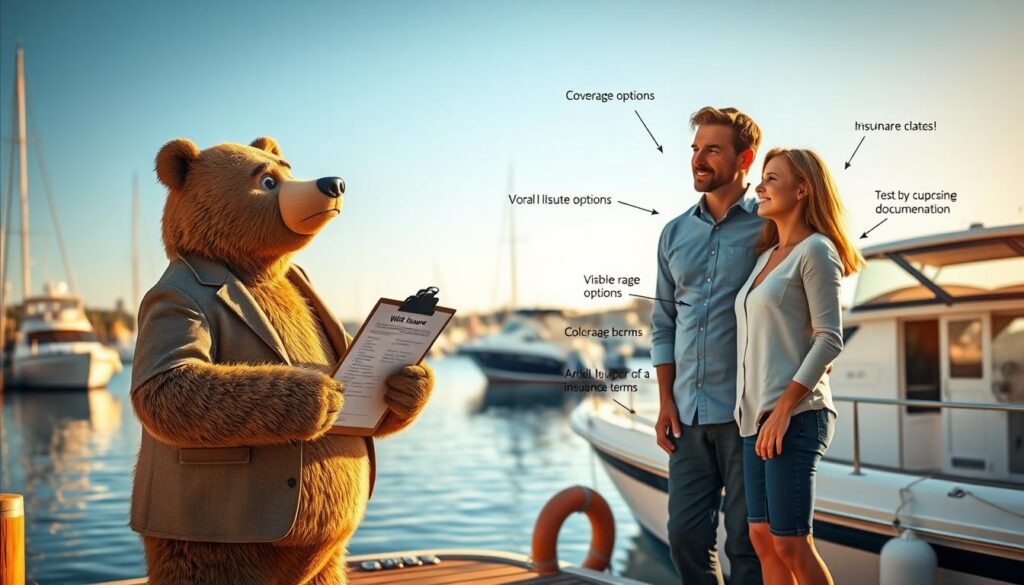
It’s easy to rush through signing documents to get to the dock. But skipping the fine print can lead to denied claims. You need to know what your Boat Insurance covers and what it doesn’t.
Look closely at navigation limits and what’s not covered, like storm damage or mechanical failure. If something doesn’t make sense, ask your agent right away. Knowledge is your best defense against unexpected costs.
Underestimating Coverage Needs
Many owners insure their boat for its current value, not its replacement cost. If your boat is totaled, you might not get enough money to buy a new one. Also, check that your policy meets marina requirements for liability limits.
Some marinas require certain coverage levels before you can dock. Ignoring these marina requirements can cause problems. Always check your coverage based on your boating habits and the value of your gear.
Ignoring Lapse in Policy
Some boaters cancel their insurance during the off-season to save money. But this is risky. If your boat is damaged while stored, you’ll have to pay for repairs yourself.
Keeping your Boat Insurance active all year is crucial. Even when your boat is not in the water, it can still be stolen, damaged by fire, or vandalized. Always keep your Boat Insurance active to avoid a coverage gap.
Importance of Comparing Insurance Quotes
Finding the best Boat Insurance deal starts with comparing quotes wisely. Many people pick the first policy they see, missing out on better options. By looking at several quotes, you can make sure your insurance fits your boating needs perfectly.
How to Effectively Compare Quotes
When comparing, ask for quotes with the same coverage from each company. If one quote is cheaper, check if they’ve cut down on coverage or raised your costs. Consistency is key to find the best rate for your boat.
Always read the fine print of each quote carefully. A low premium might seem good, but it could have hidden rules that limit where you can go. Comparing these documents helps you spot any differences that could cost you more later.
Top Factors to Consider
Don’t just look at the price. Consider the coverage limits and deductibles that fit your boat’s value and your comfort level. Choosing the right deductible can save you money while still protecting you in big claims.
Also, check if your policy meets any marina requirements at your local docks. Many places require a certain amount of liability coverage to dock. Making sure your policy meets these essential standards avoids trouble when you get to the water.
Coverage Types for Boaters
Boating on open water needs more than a strong boat. You also need to know about your protection options. Choosing the right Boat Insurance plan helps protect you from unexpected costs. Knowing these categories ensures your watercraft coverage is complete.
Liability Coverage Explained
Liability insurance is key to any good policy. It keeps your personal stuff safe if you’re blamed for an accident. Without it, a single accident could ruin your savings.
This coverage is like your financial safety net. It pays for legal fees, medical bills, and repairs for others. Having enough is crucial for any boat owner.
Collision and Comprehensive Coverage
Liability covers others, but collision and comprehensive cover your boat. Collision pays for repairs if your boat hits something. It’s a must-have for your watercraft coverage.
Comprehensive coverage protects against theft, vandalism, fire, and natural disasters. Together, they keep your boat safe no matter what happens.
Uninsured/Underinsured Boater Coverage
Not everyone on the water has Boat Insurance. If you hit someone without insurance, you might have to pay for repairs yourself. This coverage helps by covering your costs when the other party can’t.
This coverage is often overlooked but is very important. Adding it to your policy is wise for anyone who wants financial security.
| Coverage Type | Primary Purpose | What It Protects |
|---|---|---|
| Liability | Legal Protection | Others’ injuries and property |
| Collision | Physical Damage | Your boat after an impact |
| Comprehensive | External Threats | Theft, fire, and weather damage |
| Uninsured | Gap Protection | Your costs from uninsured boaters |
Why You Should Review Your Policy Annually
Your Boat Insurance needs change over time. It’s important to review your policy every year. This ensures you have the right coverage for your boat.
Changes in Your Boat’s Value
The value of your boat can change. This could be due to depreciation, upgrades, or changes in the market. If you don’t update your policy, you might not be fully covered.
Make sure your policy reflects your boat’s current value. This way, you’ll get a fair payout if something happens to your boat. It helps avoid the hassle of not getting enough money to replace your boat.
New State Laws Affecting Insurance
Boat laws can change without warning. New laws might require more liability coverage or specific safety gear. It’s crucial to stay up to date with these changes.
Also, be aware of new marina requirements. Many marinas now require certain insurance coverage to dock your boat. Not meeting these marina requirements can lead to fines or denied access.
| Review Factor | Why It Matters | Action Required |
|---|---|---|
| Market Value | Prevents underinsurance | Update policy limits |
| State Laws | Ensures legal compliance | Check local statutes |
| Marina Rules | Guarantees docking access | Verify coverage proof |
| Boat Upgrades | Protects added investments | Adjust total valuation |
How to Customize Your Boat Insurance
Customizing your boat insurance means your boating lifestyle is fully protected. A standard policy is a good start, but it might not cover your unique gear or risks. By being proactive, you can turn a basic policy into a strong safety net that fits your needs.
Adding Riders for Extra Protection
Standard Boat Insurance policies often have limits on personal property and special equipment. If you have expensive fishing gear, high-end electronics, or custom water sports equipment, they might not be fully covered. Adding a rider lets you schedule these items for their full replacement value.
“The true value of a policy is found in the details you choose to add, not just the coverage you are required to carry.”
Think about adding riders for high-value items to avoid unexpected costs:
- High-end sonar and GPS navigation systems.
- Professional-grade fishing tackle and specialized rods.
- Custom boat wraps or high-performance engine modifications.
- Personal watercraft accessories like wakeboards or towable tubes.
Evaluating Additional Coverage Options
Look at your watercraft coverage to see if it matches your boating habits. If you often travel to different states or coastal areas, you might need extended navigation limits. Many policies only cover specific lakes or coastal miles, which could leave you exposed during long trips.
Also, consider options like emergency towing and assistance or fuel spill liability. These add-ons give you peace of mind when you’re far from the dock. By reviewing your watercraft coverage carefully, you can protect your investment against common scenarios. Remember, a personalized Boat Insurance plan is key to enjoying your summer without worry.
Questions to Ask Your Insurance Agent
Take control by asking your insurance agent key questions. Understanding Boat Insurance can seem tough, but you can get clear answers. By asking the right questions, you turn a confusing contract into a clear plan for your financial safety.
Clarifying Policy Limits and Deductibles
First, focus on your liability insurance. This is your main protection against legal and financial claims. Ask your agent to explain what happens if you’re at fault in an accident. You should clearly understand the maximum amount the policy will cover before you’re personally responsible for the rest.
Also, talk about how your deductible affects your costs during a claim. A higher deductible might lower your premium, but make sure you can afford it if needed. Check if your deductible applies to all damage or if certain events have different costs.
Inquiring About Discounts
Don’t assume you’re getting the best rate. Many providers offer big savings for steps you take to lower risk on the water. Ask about discounts for boating safety courses or advanced navigation gear.
Also, ask if your Boat Insurance qualifies for discounts for multiple policies or loyalty rewards. Taking the time to ask these questions can save you a lot of money each year. Be persistent in looking for the best value, as your agent is there to help you find it.
Tips for Reducing Your Boat Insurance Premium
You don’t have to give up quality protection to save on Boat Insurance costs. Many providers offer big discounts to those who show they care about safety and being financially smart.
Safe Boating Practices That Lower Costs
Insurance companies like it when you’re careful on the water. Keeping a clean safety record shows you’re a low-risk boater. This can lead to lower rates.
Think about taking a certified boating safety course. These courses teach you important skills and might lower your premiums right away. Learning more shows your insurer you’re serious about safety.
“Safety on the water is not just about avoiding accidents; it is about creating a culture of awareness that protects your investment and your wallet.”
Bundling Policies for Better Rates
One smart way to save is by combining your coverage. Many carriers let you bundle your liability insurance with your homeowners or auto policies.
This can lead to a discount on your whole account. Here are some tips to save more:
- Ask your agent about multi-policy discounts for combining marine and home coverage.
- Check if a higher deductible fits your budget.
- Find out about loyalty rewards for staying with the same provider.
By combining your Boat Insurance with other policies, you make your finances simpler. Always ask your agent to compare prices to get the best deal for you.
The Role of Expert Guidance in Choosing Coverage
Choosing the right protection for your boat is a big financial decision. It needs professional help. Online systems are easy but can’t understand complex risks well. A human expert can meet your specific needs with care.
Why Work with an Experienced Agent?
Working with a seasoned pro gives you security online systems can’t. Sean started as a Financial Representative in St. Petersburg, Florida. He handled everything, from client portfolios to Boat Insurance planning.
This experience helps an agent spot coverage gaps you might miss. You get insider knowledge to avoid common mistakes. A dedicated agent fights for you, making sure your policy stays strong as your life changes.
The Benefits of Personalized Insurance Planning
Personalized insurance planning is key to managing risks. An expert looks at your lifestyle and boat use to create a Boat Insurance plan just for you. This way, you pay for what you need and avoid extra costs.
With a pro, you get more than a policy. You get a long-term plan for your finances. They help you match your coverage with your financial goals. This gives you peace of mind for you and your family. It protects your investment from the unpredictable sea.
When in Doubt, Seek Professional Help
Understanding marine protection is key. You want peace of mind on the water. Expert advice ensures your Boat Insurance fits your needs.
Complex policies can have hidden gaps. A pro agent spots these risks early. This protects your finances and investment.
Ready to Prepare Your Life?
Start by talking to our team. We’ll check your current coverage. We aim to create a plan that’s just right for you.
Contact Us for Tailored Boat Insurance Solutions
Don’t risk your safety. Call us at (813)-723-1450 for expert advice. Or email prez@meetsean.net to begin. We offer custom Boat Insurance solutions for worry-free boating.